Fabelas da AESOP
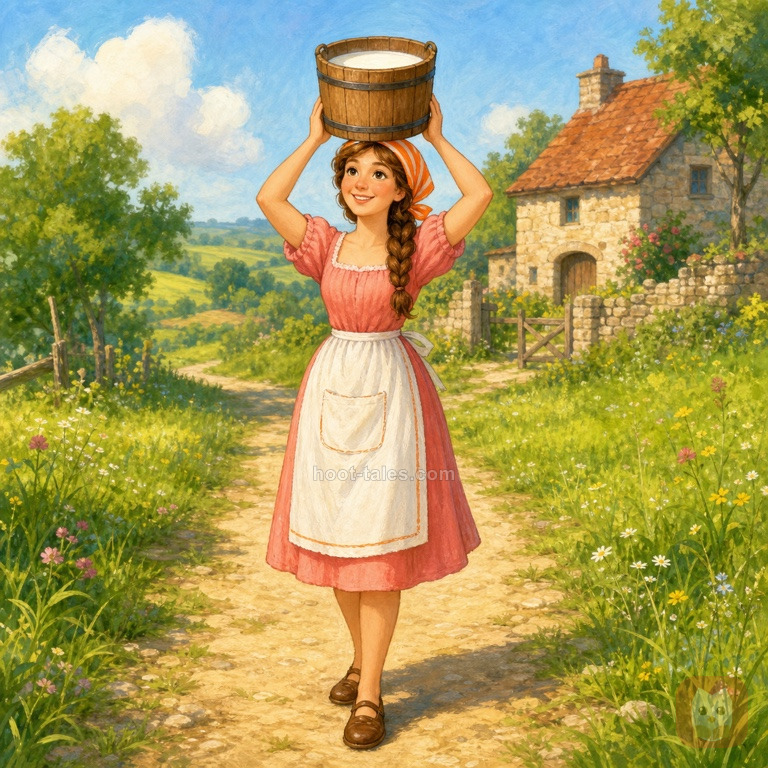
A Milkmaid e o seu painel
⏱ 3–5 Minha
Era uma vez uma lebre que podia correr mais rápido do que qualquer um na floresta. Ele muitas vezes se burlava de uma tartaruga por ser tão lento.
Um dia, a tartaruga teve o suficiente e desafiou a lebre para uma corrida. A lebre riu e concordou de uma vez, com certeza que ele ganharia facilmente.
Quando a corrida começou, a lebre correu muito à frente até que a tartaruga estava fora de vista. Certeza que ele teve muito tempo, ele deita- se debaixo de uma árvore para uma soneca.
A tartaruga caminhava lentamente, mas nunca parou, nem uma vez. Passo a passo, ele passou pela lebre dormida e se dirigiu para a linha de chegada.
A lebre acordou e correu o mais rápido que pôde, mas era tarde demais — a tartaruga já tinha cruzado a linha. A partir desse dia, a lebre nunca mais zombava de ninguém.
Lenta e constante ganha a corrida.
Uma lebre rápida zomba de uma tartaruga lenta em uma corrida — mas a confiança em excesso custa a lebre a vitória.
Parents' guide
Children who enjoy races, predictions, or practicing a small task over time. It opens a conversation about different paces without comparing a child's speed with someone else's.
The hare mocks the tortoise and loses after falling asleep. Some children may read the ending as punishment. Explore choices and feelings on both sides instead of sorting the characters into capable and incapable.
Materials: 5 pieces of paper, crayons
The teasing may connect with a child's experience of being compared. Listen before deciding who was wrong, and make clear that speed is not a measure of a person's worth.
Avoid turning the tortoise's win into a criticism of laziness. Ask what each character does well and what support might help each one.
Mais histórias da mesma coleção, selecionada para você