AESOPs FABLE
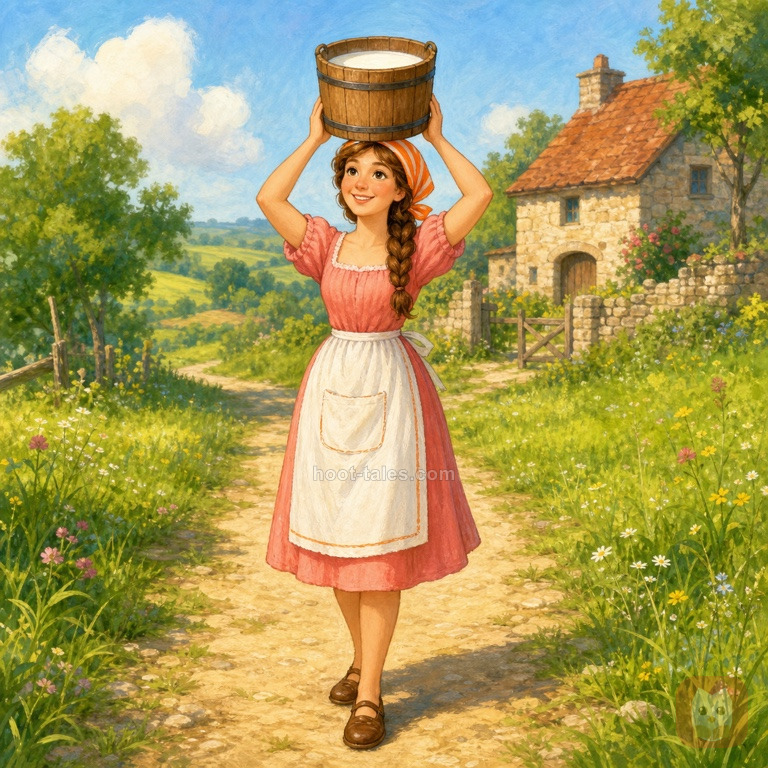
Die Milchmaid und ihre Pail
⏱ 3–5 Min
Es war einmal ein Hase, der schneller laufen konnte als jeder andere im Wald. Oft neckte er eine Schildkröte, weil sie so langsam war.
Eines Tages hatte die Schildkröte genug und forderte den Hasen zu einem Rennen heraus. Der Hase lachte und stimmte sofort zu, sicher, dass er leicht gewinnen würde.
Als das Rennen begann, schleuderte der Hase weit voraus, bis die Schildkröte außer Sicht war. Er hatte sicher genug Zeit, legte sich unter einen Baum zum Schlafen.
Die Schildkröte ging langsam weiter, aber nie aufgehört, nicht einmal einmal. Schritt für Schritt, er passierte den schlafenden Hasen und machte seinen Weg in Richtung Ziellinie.
Der Hase wachte auf und rannte so schnell er konnte, aber es war zu spät — die Schildkröte hatte bereits die Grenze überschritten. Von diesem Tag an verspottete der Hase nie wieder jemanden.
Langsam und stetig gewinnt das Rennen.
Ein schneller Hase verspottet eine langsame Schildkröte in ein Rennen — aber das Übervertrauen kostet den Hasen den Sieg.
Parents' guide
Children who enjoy races, predictions, or practicing a small task over time. It opens a conversation about different paces without comparing a child's speed with someone else's.
The hare mocks the tortoise and loses after falling asleep. Some children may read the ending as punishment. Explore choices and feelings on both sides instead of sorting the characters into capable and incapable.
Materials: 5 pieces of paper, crayons
The teasing may connect with a child's experience of being compared. Listen before deciding who was wrong, and make clear that speed is not a measure of a person's worth.
Avoid turning the tortoise's win into a criticism of laziness. Ask what each character does well and what support might help each one.
Mehr Geschichten aus der gleichen Sammlung, für Sie ausgewählt