حكايات إيسوب
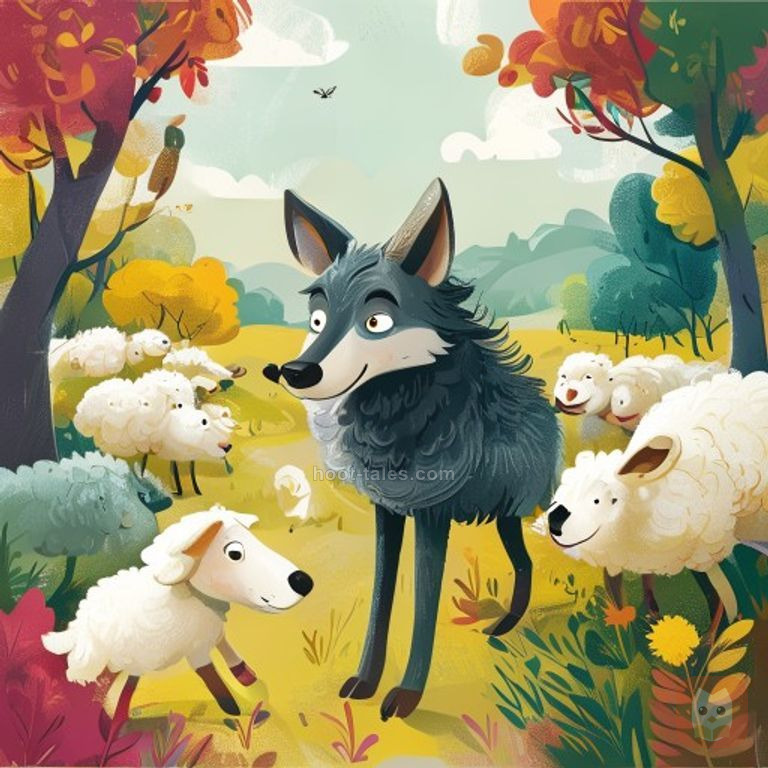
الذئب في ملابس الخروف
⏱ 2–4 دقائق
وكان صبي راعي يحرس يوميا رعاة قريته من الغنم على جانب التل، وكان يشعر أحيانا بالوحدة والملل، دون أن يفعل شيئا على الإطلاق.
ذات يوم، للمتعة فقط، صرخ في أعلى رئتيه، "Wolf! Wolf !!" سمعه القرويون وسرعوا إلى أعلى التل للمساعدة -- ولكن عندما وصلوا، لم يكن هناك ذئب في الأفق على الإطلاق. وضحك الصبي، فرح بكيفية خداعه لهم.
وبعد بضعة أيام، لعب نفس الخدعة مرة أخرى لمجرد المتعة، جاء القرويون راكضين مرة أخرى، فقط ليجدوا ذئباً مرة أخرى.
ذات يوم ظهر ذئب حقيقي بالفعل، خاف من كل ما لديه من قوة، "هناك ذئب هذه المرة! النجدة!" ولكن بعد أن تم خداع مرتين بالفعل، لم يصدقه أي من القرويين - افترضوا أنه يكذب مرة أخرى، لذا لم يأتي أحد للمساعدة على الإطلاق.
فقضى الولد بقية اليوم حتى الظلام، واستنفد من البحث عن كل خروف آخر، وشعر بالأسف العميق، وعلم أن الكذب - ولو لمجرد المتعة - يجعل الآخرين يتوقفون عن الثقة بنا تماما عندما نحتاج فعلا إلى مساعدتهم.
فالكذب — حتى لمجرد التسلية — يجعل الآخرين يتوقفون عن الثقة بنا تماما عندما نحتاج حقا الى مساعدتهم .
ويمرح صبي راعي البقر في خداع القرويين ليظنوا أن ذئبا قد جاء، مرارا وتكرارا - حتى اليوم الذي يظهر فيه ذئب حقيقي بالفعل، ولا أحد يصدقه بعد الآن.
Parents' guide
Children ready to distinguish jokes, requests for attention, and emergencies. Practice direct ways to ask for connection and concrete ways to rebuild trust.
The shepherd gives false wolf alarms until nobody responds to a real wolf; some versions harm the sheep. A child may fear being abandoned after making a mistake.
Materials: 3 pieces of paper, pencil
Even after a false statement, adults must still check danger and protect a child. Never use the tale to threaten that nobody will help next time.
Name the behavior—“that warning was not true”—instead of defining the child as a liar, then agree on repair steps.
المزيد من القصص من نفس المجموعة، تم اختيارها لك