Fabelas da AESOP
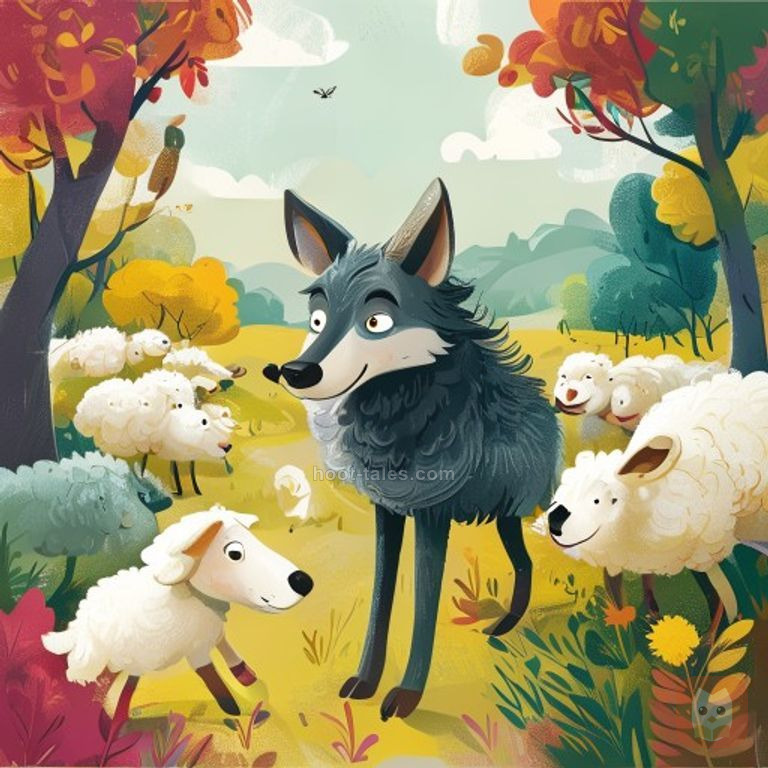
O Lobo nas roupas de ovelha
⏱ 3–5 Minha
Um pastor cuidava do rebanho de ovelhas da sua aldeia em uma colina todos os dias. Alguns dias ele se sentia tão solitário e entediado, sem nada a fazer.
Um dia, só por diversão, ele gritou no topo dos pulmões, "Lobo! Lobo!" Os moradores o ouviram e correram para cima da colina para ajudar — mas quando chegaram, não havia lobo à vista. O menino riu, encantado com o quão bem ele os enganou.
Alguns dias depois, ele jogou o mesmo truque novamente só para a diversão. Os aldeões vieram correndo mais uma vez, apenas para não encontrar nenhum lobo novamente. Desta vez ficaram irritados e avisaram o menino para nunca mais mentir assim.
Um dia, um lobo real apareceu. Aterrorizado, o menino gritou com toda a sua força, "Há realmente um loba desta vez! Socorro!" Mas tendo sido enganado duas vezes já, nenhum dos aldeões acreditou nele — eles assumiram que ele estava mentindo novamente, então ninguém veio ajudar.
O lobo perseguiu o rebanho, espalhando as ovelhas com medo por toda a floresta. O menino passou o resto do dia, até escurecer, exausto de procurar por cada ovelha. Sentiu- se profundamente arrependido, e aprendeu que mentir — mesmo por diversão — faz com que outros parem de confiar em nós exatamente quando realmente precisamos de sua ajuda.
Mentir — mesmo por diversão — faz com que outros parem de confiar em nós exatamente quando realmente precisamos de sua ajuda. Só a honestidade ganha a confiança que dura.
Um pastor tem diversão enganando os aldeões para pensar que um lobo veio, várias vezes — até o dia em que um verdadeiro lobo realmente aparece, e ninguém mais acredita nele.
Parents' guide
Children ready to distinguish jokes, requests for attention, and emergencies. Practice direct ways to ask for connection and concrete ways to rebuild trust.
The shepherd gives false wolf alarms until nobody responds to a real wolf; some versions harm the sheep. A child may fear being abandoned after making a mistake.
Materials: 3 pieces of paper, pencil
Even after a false statement, adults must still check danger and protect a child. Never use the tale to threaten that nobody will help next time.
Name the behavior—“that warning was not true”—instead of defining the child as a liar, then agree on repair steps.
Mais histórias da mesma coleção, selecionada para você