ईसप की कहानियाँ
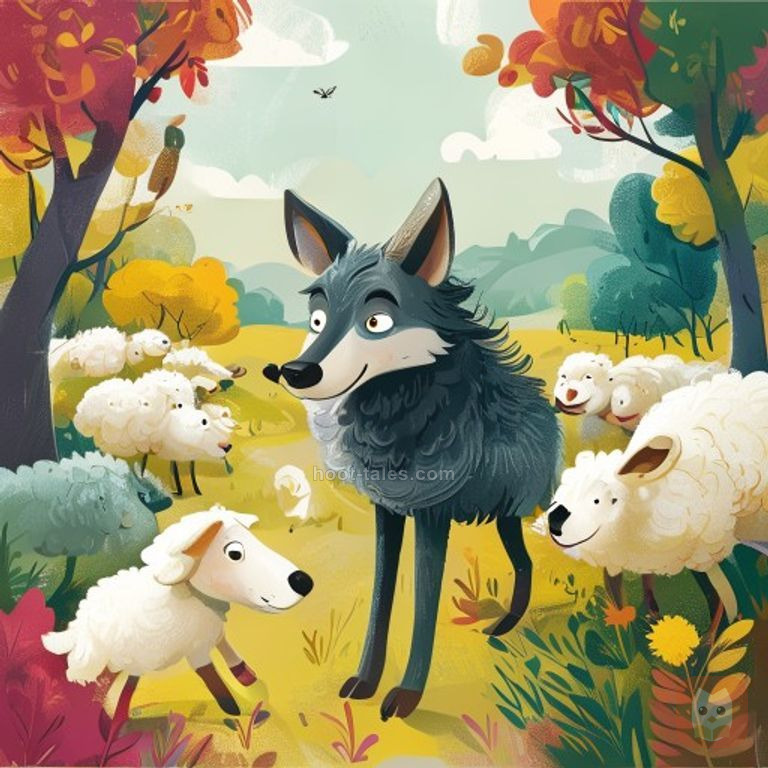
भेड़ के क्लैम्प में वुल्फ
⏱ 3–5 मिनट
एक चरवाहा अपने गाँव के झुंड पर हर दिन भेड़ों की रखवाली करता था ।
एक दिन, बस मज़ा के लिए, वह अपने फेफड़ों के शीर्ष पर चिल्लाया, "हेव्फ्फ! ". Wolff! "! " गाँव के लोग उसे सुन रहे हैं और मदद के लिए पहाड़ी पर दौड़ गए — लेकिन जब वे आए, वहाँ कोई भेड़िया देखने में नहीं था. लड़का खुशी से रोया, वह उन्हें कितना अच्छा लगा. "यह एक बहुत ही अच्छा था, और वह उन्हें धोखा दिया. "
कुछ दिनों बाद, वह फिर से वही चाल खेलता रहा सिर्फ मज़ा के लिए. गाँववाले एक बार फिर दौड़ रहे थे, केवल भेड़िया नहीं पाते थे. इस बार वे परेशान हो गए और लड़के को फिर कभी भी झूठ नहीं चिताते थे.
एक दिन, एक असली भेड़िया वास्तव में दिखाई दिया. लड़का अपनी पूरी शक्ति के साथ चिल्लाया, "यह समय है! मदद! लेकिन दो बार हो गया था, गाँववाले लोग उसे विश्वास करते थे कि वह फिर से झूठ बोल रहा था, तो कोई भी नहीं आया. "
उसने बड़े दुःख से महसूस किया, और सीखा कि झूठ बोलना भी — यहाँ तक कि केवल मज़े के लिए भी — दूसरों पर भरोसा करना हमें बिलकुल बन्द कर देता है जब हमें उनकी मदद की ज़रूरत होती है ।
झूठ बोलना — यहाँ तक कि मौज - मस्ती के लिए भी — दूसरों पर हम पर उसी समय भरोसा करना बंद करता है जब हमें उनकी मदद की ज़रूरत होती है ।
एक चरवाहे का मन लोगों को यह सोचने में मज़ा आता है कि एक भेड़िया आ गया है, फिर भी — जब तक कि एक वास्तविक भेड़िया वास्तव में प्रकट नहीं होता, और कोई उसे अब भी विश्वास नहीं करता ।
Parents' guide
Children ready to distinguish jokes, requests for attention, and emergencies. Practice direct ways to ask for connection and concrete ways to rebuild trust.
The shepherd gives false wolf alarms until nobody responds to a real wolf; some versions harm the sheep. A child may fear being abandoned after making a mistake.
Materials: 3 pieces of paper, pencil
Even after a false statement, adults must still check danger and protect a child. Never use the tale to threaten that nobody will help next time.
Name the behavior—“that warning was not true”—instead of defining the child as a liar, then agree on repair steps.
एक ही संग्रह से अधिक कहानियां, आपके लिए चुना गया