滑到内容
Hoot Tales

男孩谁哭狼

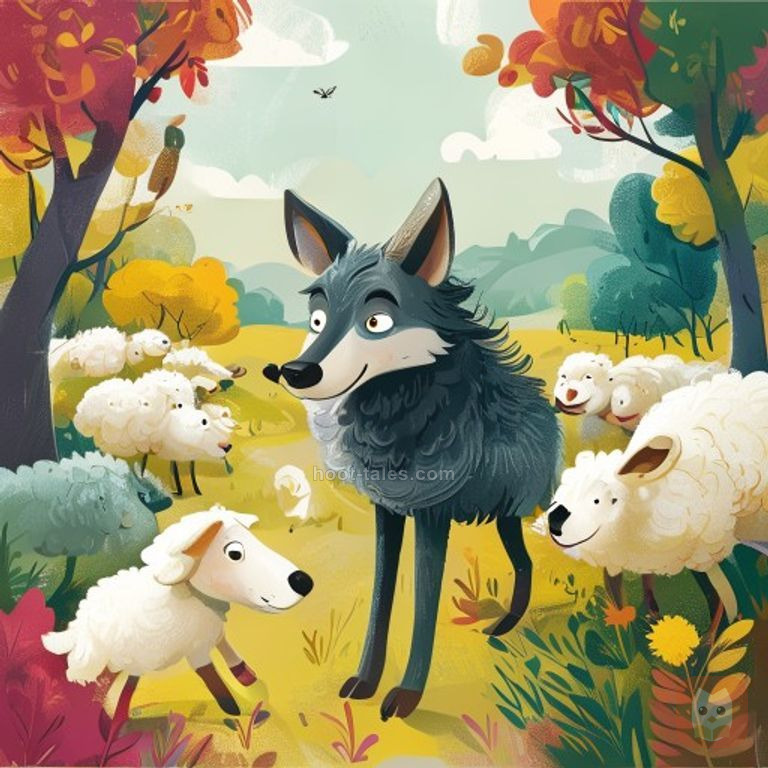
每天都有一位牧羊男孩在山坡上看着他村子里的羊群,有时他感到孤独和无聊,完全无所事事。

有一天,他为了好玩,在他的肺顶喊着“狼啊狼啊!”村民们听到他的声音,他们冲上山去帮忙,但是当他们到达时,根本没有看到狼。男孩笑了,他为他愚弄了他们而高兴。

几天后,他又玩同样的把戏,只是为了取笑它。村民们再次跑来,但又找不到狼。 这次他们变得很烦恼,警告男孩不要再说谎。

有一天,真正的狼真的出现了。可怕的是,男孩满脑子的喊叫着,“这次真的有狼了!救命!”但是,被骗了两次,村民们都不相信他,他们以为他又在撒谎,所以没人来帮忙。

狼追赶羊群,把羊群吓得半死,在森林里到处撒羊。 男孩在一天的余下时间里,直到天黑,疲于寻找最后的羊群。 他深感抱歉,并了解到说谎 — — 即使是为了好玩 — — 让别人不再信任我们,因为我们确实需要他们的帮助。

说谎——即使是为好玩而撒谎——使其他人不再信任我们,在我们真正需要他们的帮助时,只有诚实才能赢得持续的信任。

关于这个故事

牧羊男孩玩得很开心, 骗骗村民们以为狼一次又一次来了—— 直到真正的狼出现, 没有人相信他。

关于 3–5 分钟👧 最适合年龄 4–8📚 阿斯托的传奇

孩子们可以学到的

诚实
写作和翻译
以斯波的易用词 Hoot Tales 团队团队队
许可证
公共域名 · : Aesop's Fables
分享這個故事

Parents' guide

Discuss trust without labeling a child “a liar”

A good fit for

Children ready to distinguish jokes, requests for attention, and emergencies. Practice direct ways to ask for connection and concrete ways to rebuild trust.

Know before reading

The shepherd gives false wolf alarms until nobody responds to a real wolf; some versions harm the sheep. A child may fear being abandoned after making a mistake.

Words to explore

alarm
a warning that danger may be present
reliable
likely to provide information that is true
rebuild trust
to help confidence return through words and actions over time

Before reading

  • How is pretend play different from an emergency?
  • If you are lonely or want attention, what could you say directly?

While reading

  • How do the villagers feel after running there repeatedly?
  • What choices does the shepherd have before calling again?

After reading

  • Should the villagers ignore possible danger, or could they verify it another way?
  • How can the shepherd begin rebuilding trust?
  • What emergency words or signals should a family agree on?

A 10-minute after-reading activity

About 10 minutes

Materials: 3 pieces of paper, pencil

  1. Label the papers play, help, and emergency.
  2. Create sample sentences for each category.
  3. Practice giving a name, location, and what happened in an emergency message.

What may feel scary or confusing

Even after a false statement, adults must still check danger and protect a child. Never use the tale to threaten that nobody will help next time.

For adults: leave room for the child's view

Name the behavior—“that warning was not true”—instead of defining the child as a liar, then agree on repair steps.

Sources for the shared-reading approach

准备好再度冒险了吗?

更多来自同一系列的故事,为您选择