コンテンツへのスキー

マケリオントとネラケ,

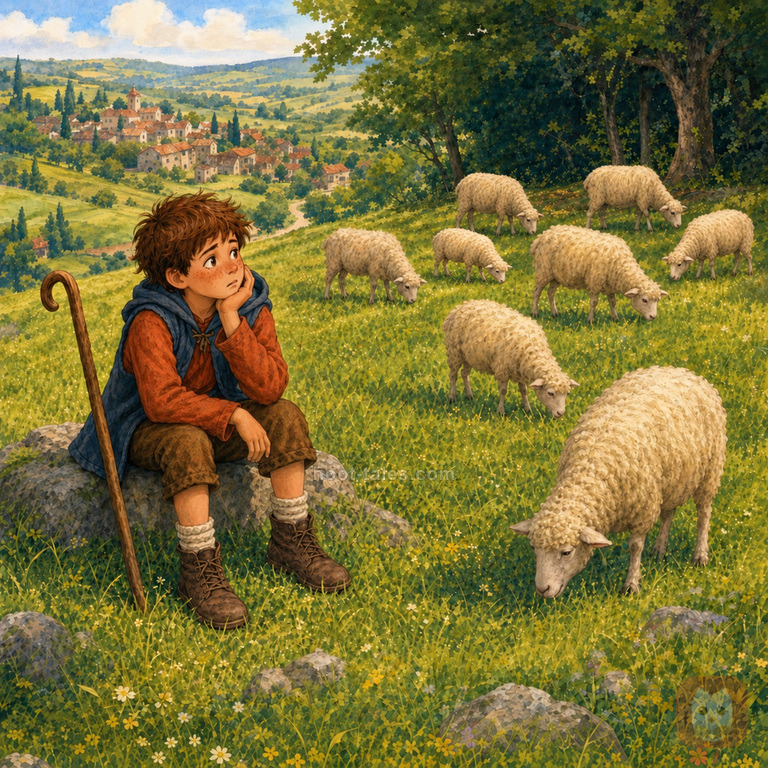
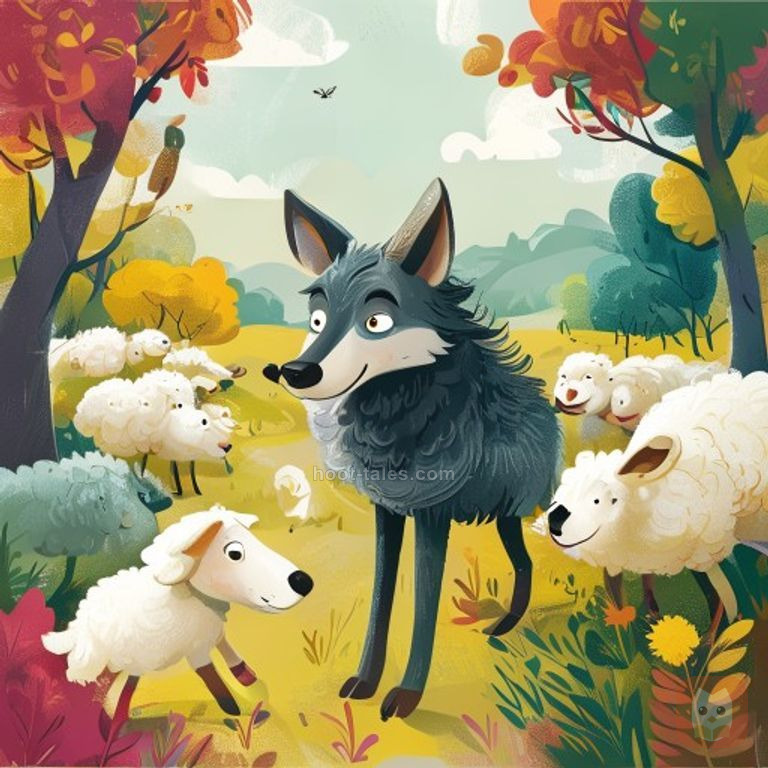
牧者 は ひとり し し しら が , 羊 の 群れ の 上 に すわ っ て い る 若 い 羊 の 毛 を 切 る よう に ,

羊飼 は 毎日 の 間 , 山 の 中 に あ る 羊 の 群れ の 群れ を ながめ て い て , た が , 自分 の 思い が , 何 も し な い よう に し て い る .
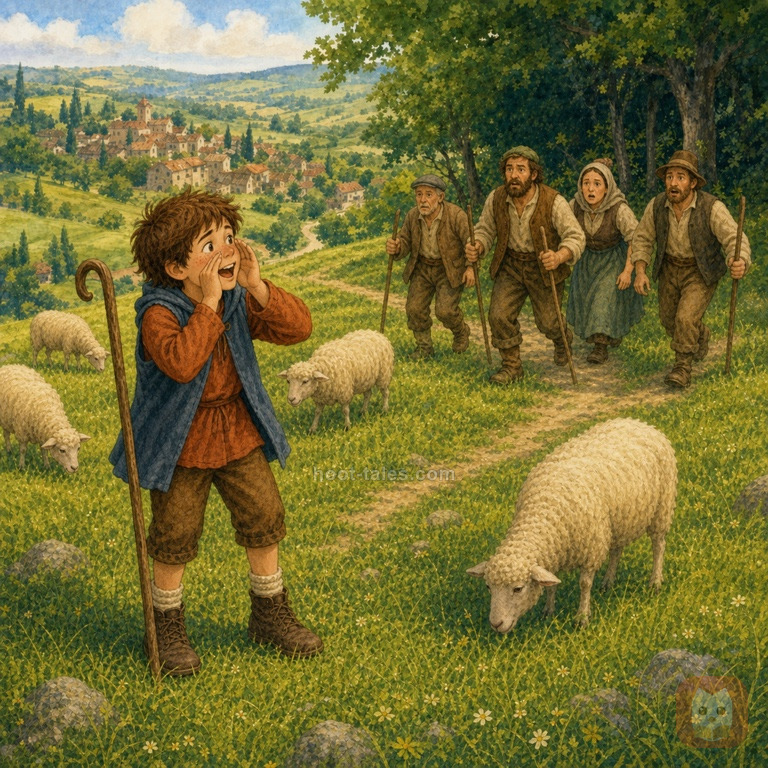
羊飼 が ほえ る よう に , 園 を も つど の 園 の よう に,ただ おおかみ を 見 る だけ で あ る .

その 日 は 盛ん で あ っ た . そして その 腰 の 頂 で 呼ば わ る 声 を あげ て , " 倒れ よ , 寄 れ " と 言 い , 墓 は 彼 の 声 を 聞 き , その 中 に は , あまた " 光 が な い " と 叫 び , その 顔 を 見 る や , 愚か な 子 は 皆 喜 ん だ .
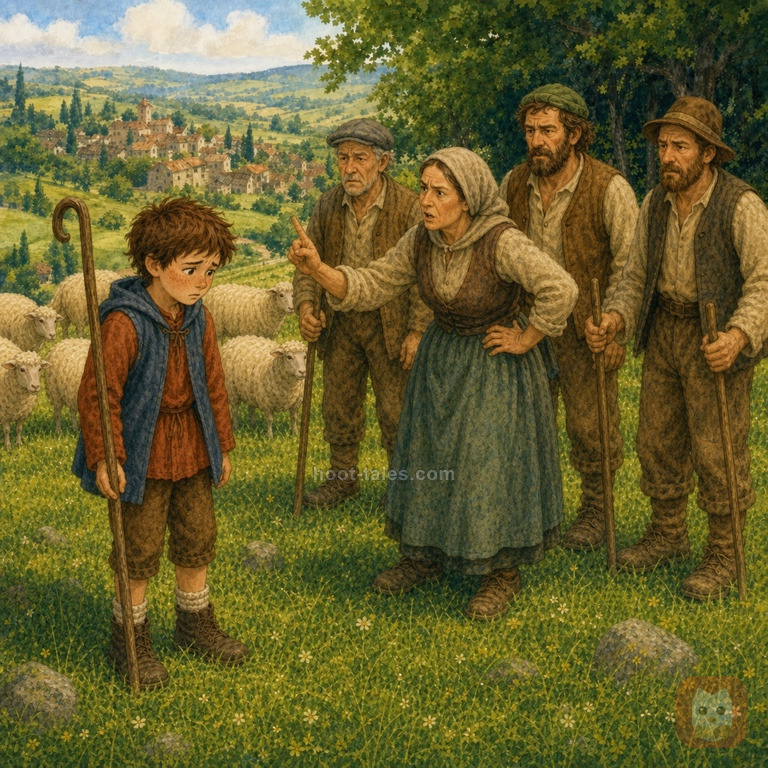
ひとりの夜を夜くむ牧者が,もう一度山に一つのたたかのおおかみが,再び中を飛びまわるのを見た.

数日たってから,彼はまた,その 氏族の悪い所に激しく踊られたが,その穴はもはや立ちいで,おおかみ口が上げず,ただ激しく戒めて,きとはされなかった.
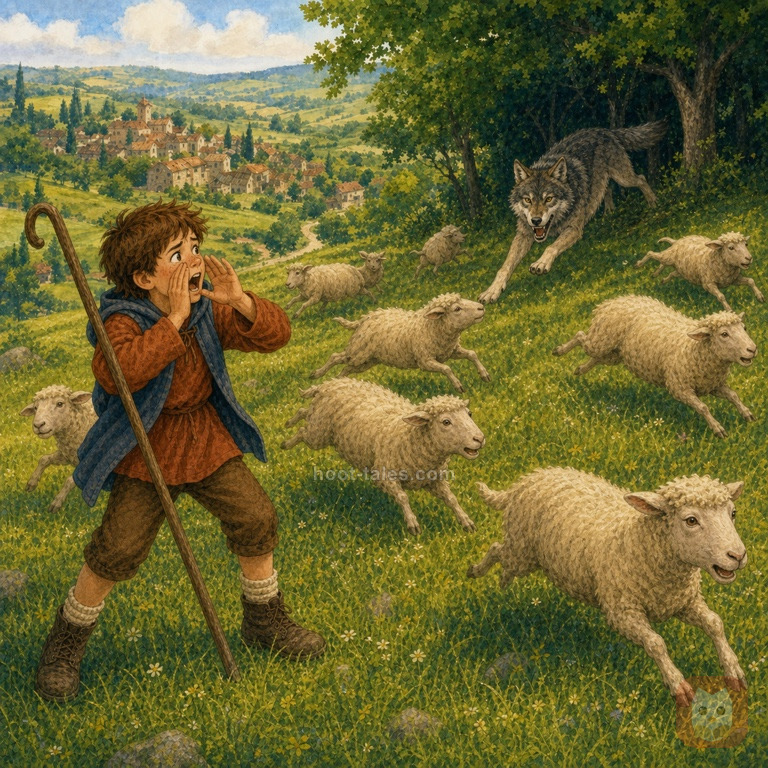
おおかみ の よう な 人 たち は , 羊飼 が 羊 の よう に ほえ る よう に 大声 で 泣 き , 大きな 穴 の 中 に い る よう な 者 は ,

その 日 に は , おおかみ のみ のみ い た が , その 子 は すべて の 力 を も っ て 叫 び つづけ て 言 っ た , " あ の に , 今 は おおかみ が あ る " . しかし , 愚か な 者 が 二 度 も , なくな っ た の で , だれ も 彼 を 信 じ な かっ た . そして , ろば が 自分 の ところ に はい っ て き た の に は,だれも も 彼 の ところ へ 行 か な
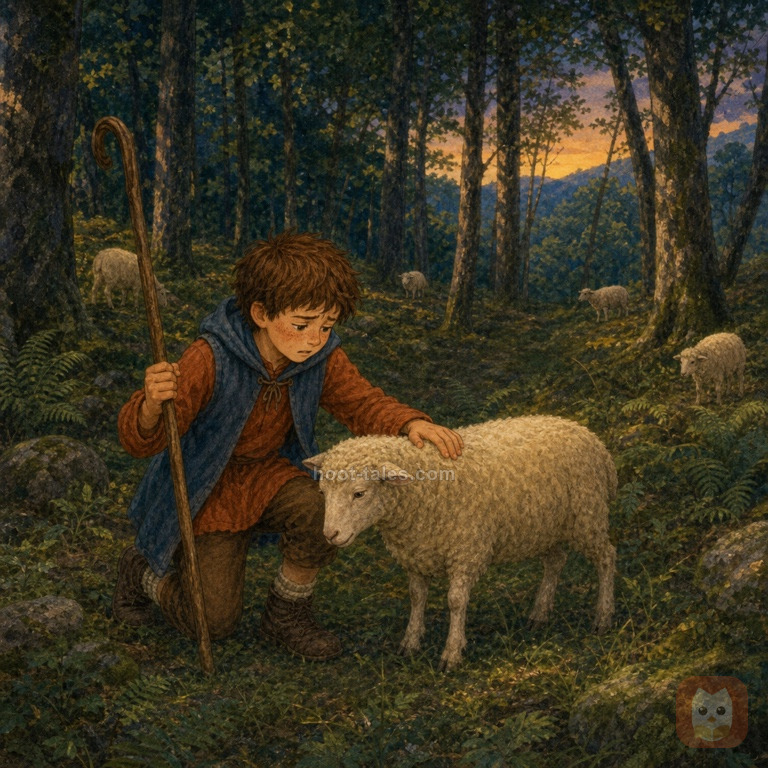
羊飼 は , 林 の 中 に あ る 羊 の 群れ を 待 っ て , 森 の 中 で , ひとり の 羊 を 飼 っ て い る .

おおかみ は 羊 を 飼 い , 羊 を 林 の 中 に 散ら し , その 子 は 日 の ふけ る まで , すべて の 穀物 を 失 い , 悲し む 者 は みずから 心 の まま に 心 を 痛め , 衰え て われわれ を 助け る . こう し て われわれ は 彼 ら の 利益 を な す 者 が な い の で , その 羊 を 求め る .

物語の道徳

そして , 極度 に も 正し い 者 ども は , わたし たち を 助け る こと を 望 み , " まこと に , 自分 たち に 必要 な 者 " と 言 わ れ る の で あ る . ただ , 最後 の 者 ども に 対 し て は , 最後 まで 信頼 する 者 たち は , 実 を 結 ぶ よう に な る .

オリジナルは公開ドメインにあります. 著作権は保有されています。 Hoot Tales リテリング、翻訳、イラスト、プレゼンテーション。

すべての物語に戻る
この物語について

羊飼 の 子 は 穴 に 入 り , おおかみ の 穴 に はい っ て き て , また , やみ の 出 る 日 まで , また き た ら , 信じ る 者 は ひとり も い な い .

⏱ について 5–8 数分👧 年齢の最良 4–8📚 イソップ寓話

子どもたちが学ぶこと

正直
書かれ、再編
むち 打 た れ る 黒度 に は , 道 に よ っ て 解放 さ れ る . Hoot Tales を受け ご ル の 類 .
ライセンス
公域 · 源泉: Aesop's Fables
このストーリーを共有する

Parents' guide

Discuss trust without labeling a child “a liar”

A good fit for

Children ready to distinguish jokes, requests for attention, and emergencies. Practice direct ways to ask for connection and concrete ways to rebuild trust.

Know before reading

The shepherd gives false wolf alarms until nobody responds to a real wolf; some versions harm the sheep. A child may fear being abandoned after making a mistake.

Words to explore

alarm
a warning that danger may be present
reliable
likely to provide information that is true
rebuild trust
to help confidence return through words and actions over time

Before reading

  • How is pretend play different from an emergency?
  • If you are lonely or want attention, what could you say directly?

While reading

  • How do the villagers feel after running there repeatedly?
  • What choices does the shepherd have before calling again?

After reading

  • Should the villagers ignore possible danger, or could they verify it another way?
  • How can the shepherd begin rebuilding trust?
  • What emergency words or signals should a family agree on?

A 10-minute after-reading activity

About 10 minutes

Materials: 3 pieces of paper, pencil

  1. Label the papers play, help, and emergency.
  2. Create sample sentences for each category.
  3. Practice giving a name, location, and what happened in an emergency message.

What may feel scary or confusing

Even after a false statement, adults must still check danger and protect a child. Never use the tale to threaten that nobody will help next time.

For adults: leave room for the child's view

Name the behavior—“that warning was not true”—instead of defining the child as a liar, then agree on repair steps.

Sources for the shared-reading approach

もう一つの冒険の準備は?

同じコレクションの他のストーリー、あなたのために選ばれた