Ages 0–2
Focus on pictures, sounds, repeated words, and short sessions. A young child does not have to finish the story.
Make reading together joyful and meaningful
Practical guides and in-depth articles to help families choose, read, play, and talk through stories without turning reading time into a test.
Let your child choose from the covers, follow their pace, and pause when they want to study a picture or ask something. Connection and enjoyment come before getting every answer right.
Offer two or three age-appropriate covers and ask which one they want. A small choice helps children take part from the beginning.
Leave room to inspect pictures, copy sounds, or predict what comes next. If your child is absorbed in the story, you do not need to ask a question on every page.
Try “Which part did you like best, and why?” Listen without rushing to supply the lesson for them.
Focus on pictures, sounds, repeated words, and short sessions. A young child does not have to finish the story.
Predict events, imitate characters, and connect the story to familiar experiences.
Take turns reading, compare viewpoints, and imagine other endings without requiring one correct answer.
Essential guides
These five in-depth guides bring the key questions together, with Hoot Tales examples, practical steps for home, and sources for further reading.

How to choose stories, set the pace, and talk together with babies, preschoolers, and early readers—without requiring them to sit through every page.
Read guide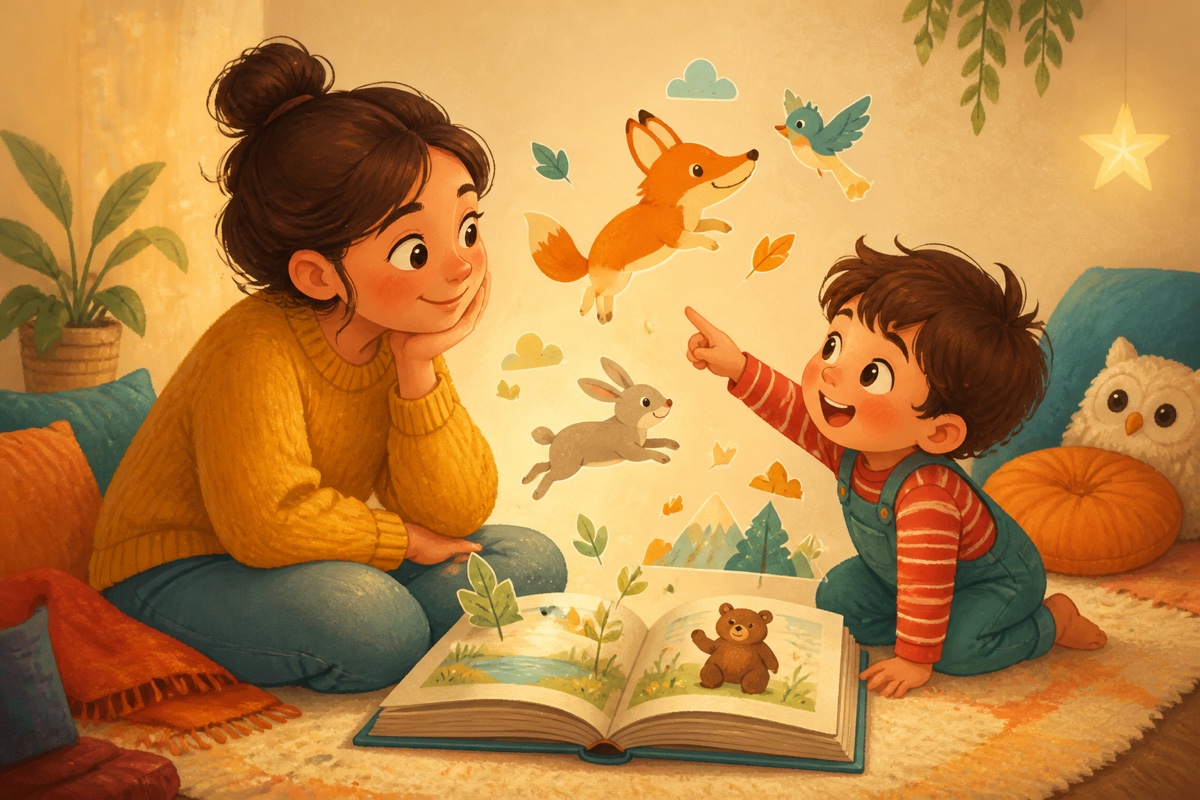
A practical way to invite noticing, predicting, and storytelling—with cues for when to stop asking and simply enjoy the story.
Read guide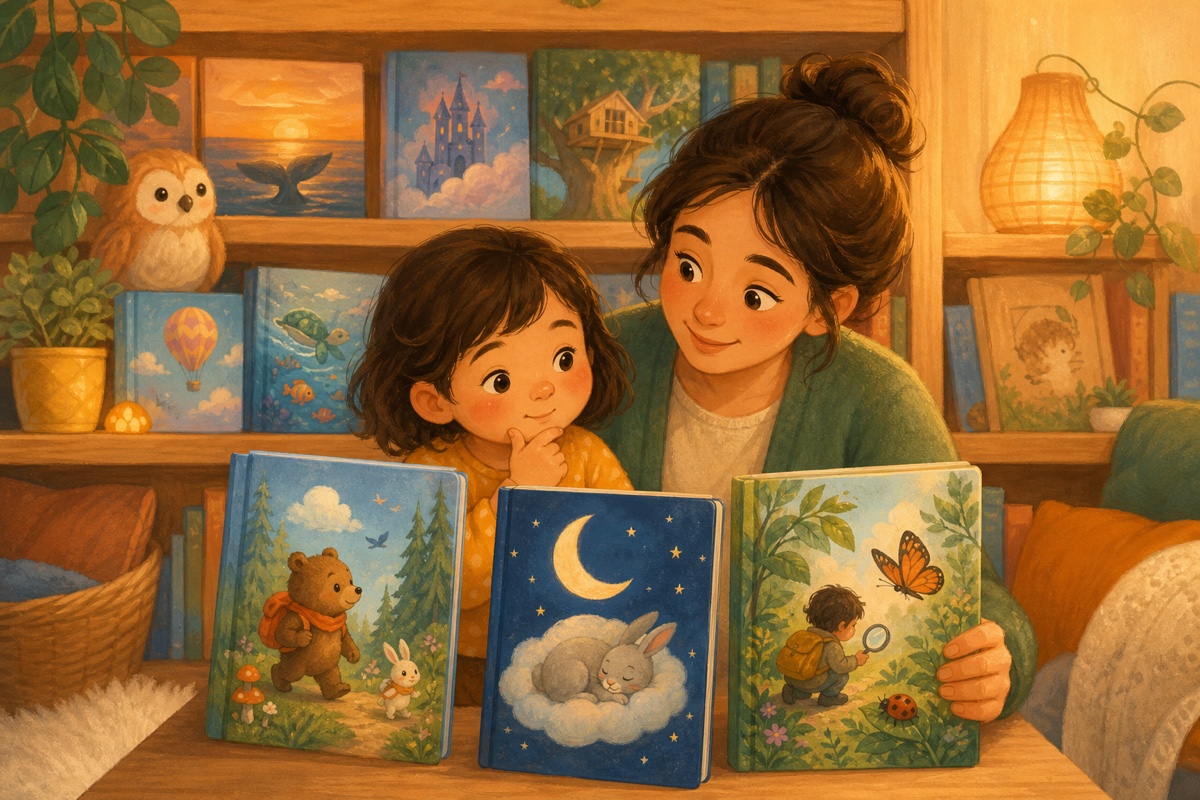
A checklist for judging readiness, plot, pictures, language, emotions, and family context—including how to preview frightening material.
Read guide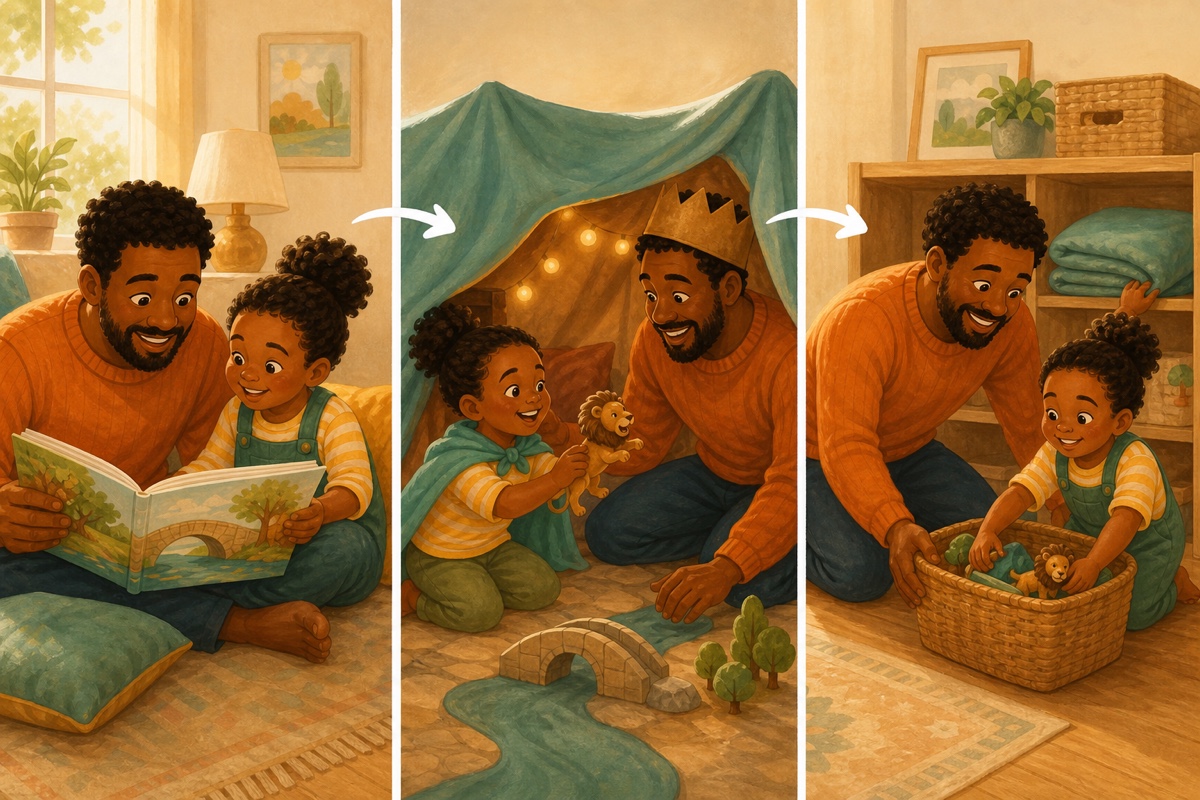
An introduction to Dr. Prasert Palitponganpim's read–play–work framework, with a low-cost daily rhythm using ordinary household materials.
Read guide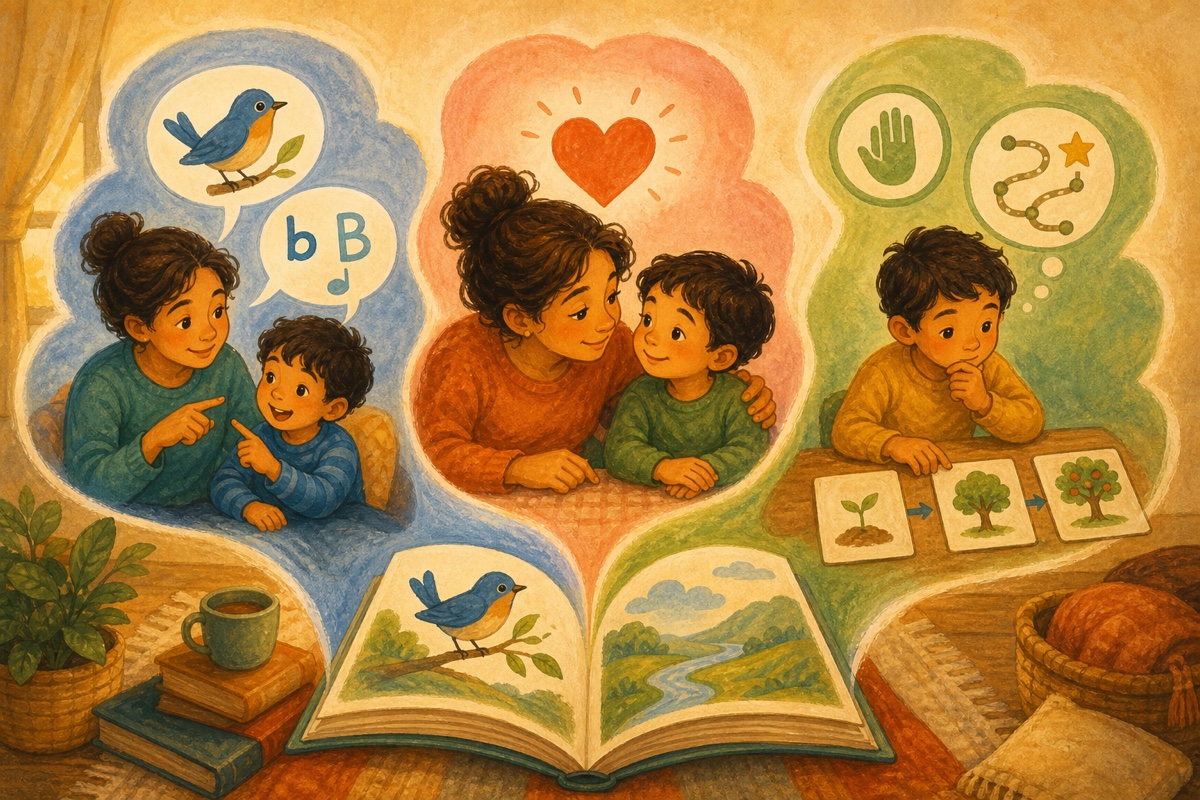
What research supports, how stories create opportunities to practice language and EF, and why responsive interaction matters more than a 'brain-building' label.
Read guide
An overview of gross and fine motor development for ages 0–2, 3–5, and 6–8, with ways to turn story scenes into real movement at home—drawing on WHO, CDC, and AAP guidance.
Read guideSupporting guides
Focused help for rereading, book formats, emotions, activities, scary moments, and bilingual homes, with practical steps and stories to try next.

Why children return to familiar stories, how to keep rereading enjoyable, and how to introduce something new without taking away a favorite.
Read guide
A practical comparison of paper and digital stories, with ways to protect conversation and connection when reading on a screen.
Read guide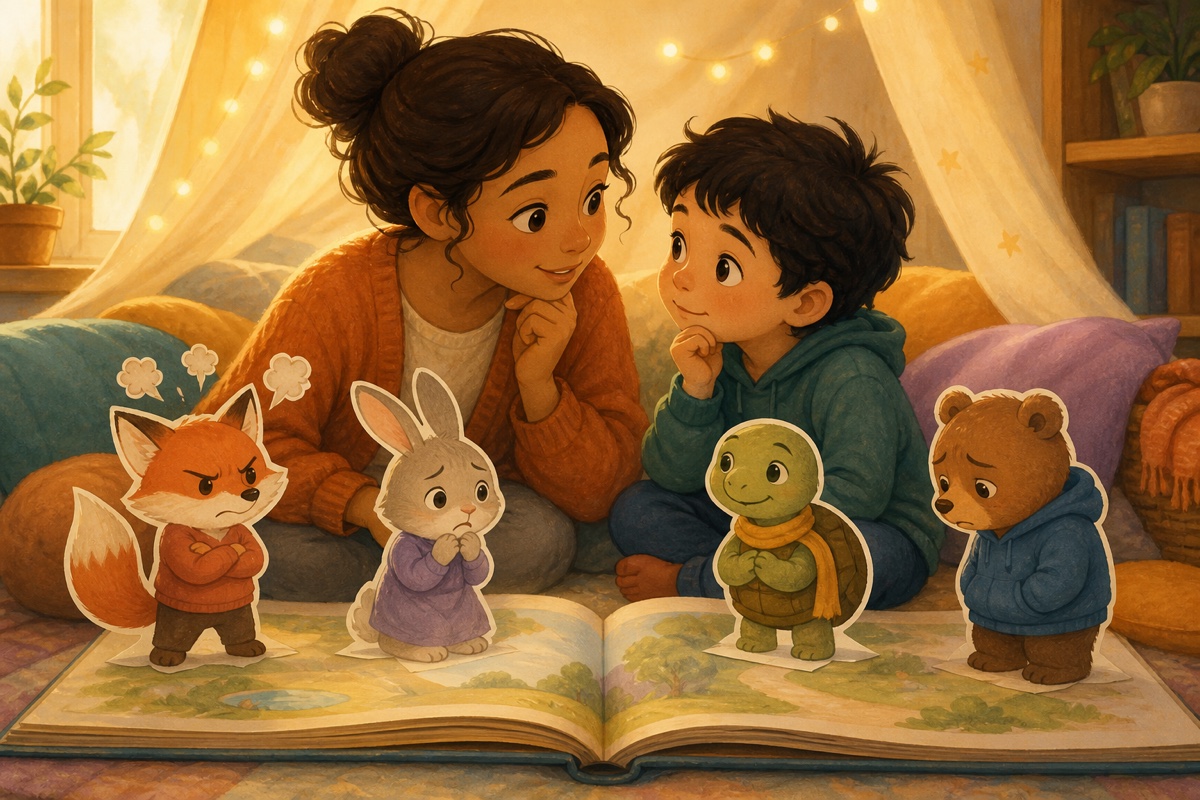
Use characters as a safe distance for naming feelings, hearing a child's perspective, and exploring choices without demanding personal disclosure.
Read guide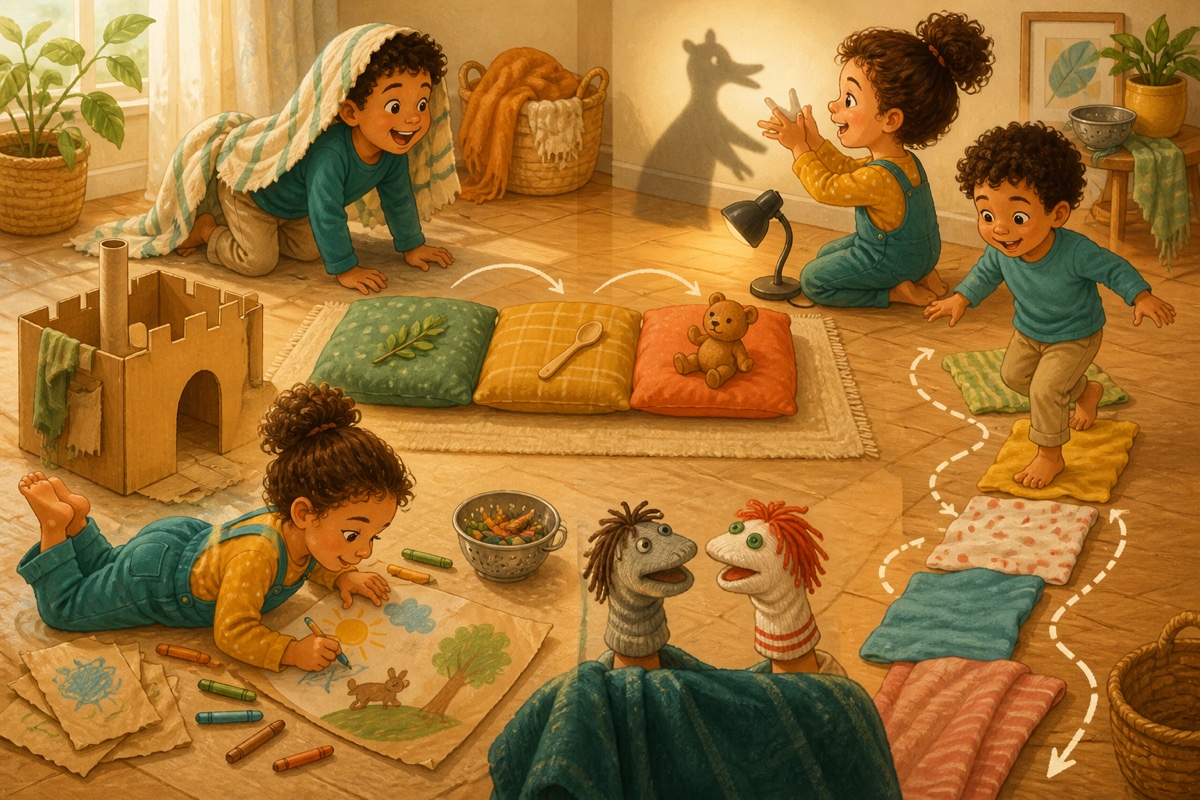
Short activities using movement, voices, household objects, and scrap paper so children can retell, plan, play, and transform a story.
Read guide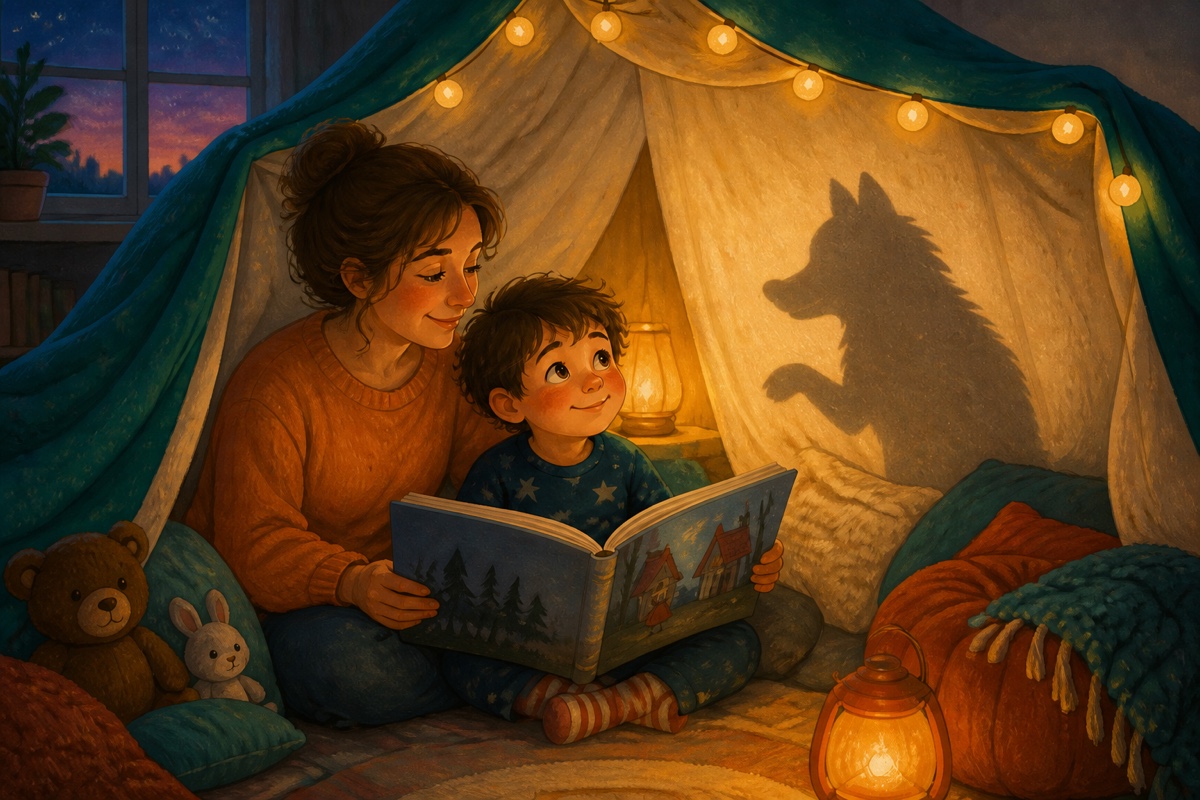
How to preview intensity, prepare a child, protect the right to stop, and talk after a frightening scene without forcing exposure.
Read guide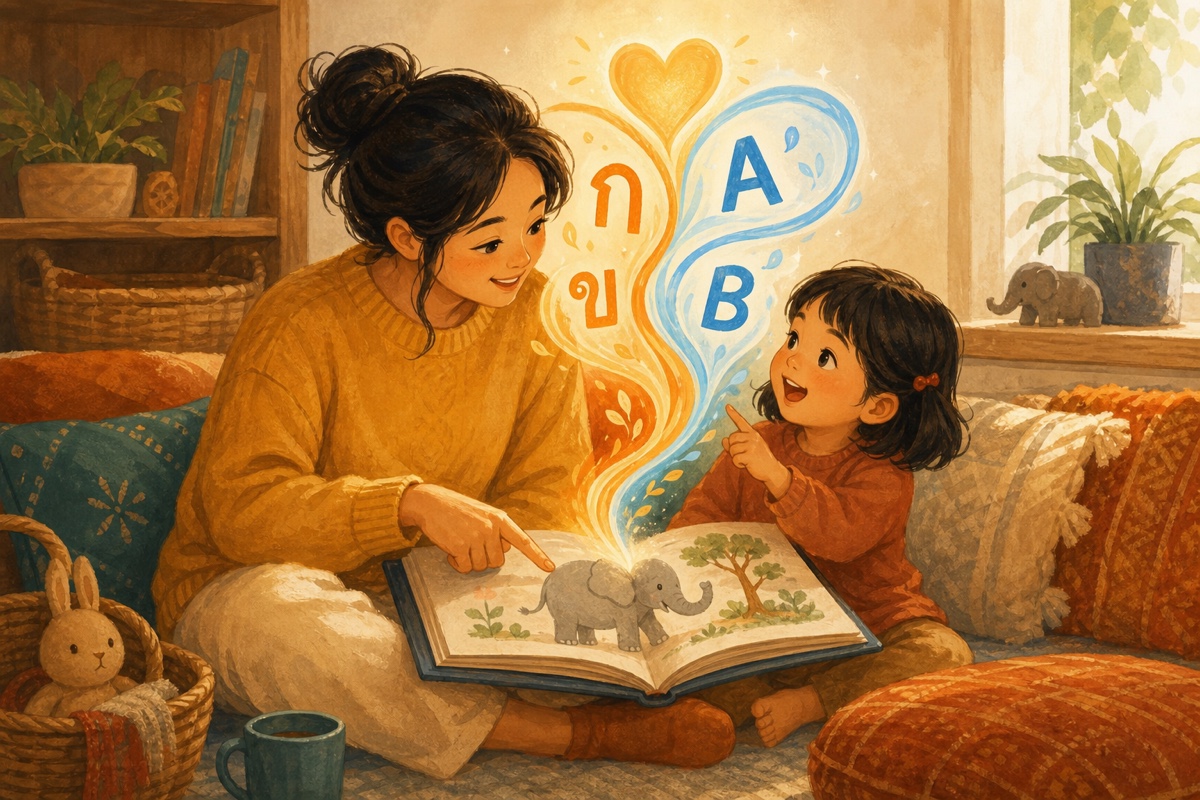
Choose stories, languages, and switching patterns that fit the readers without turning shared reading into line-by-line translation class.
Read guideThe Hoot Tales editorial team writes and reviews this section for general education. It is not medical advice or a developmental assessment. Detailed developmental claims will include sources and an appropriately qualified reviewer before publication.