Las fables de AESOP
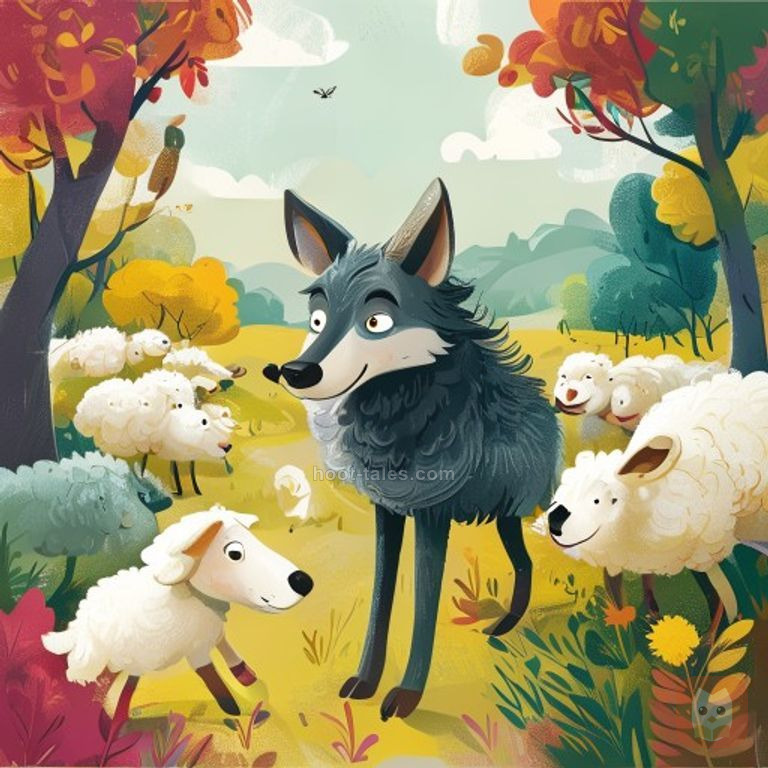
El lobo en ropa de oveja
⏱ 3–5 Min
Un día, un zorro hambriento vagaba por un viñedo cuando sus ojos cayeron sobre un manojo de uvas púrpuras maduras que colgaban en lo alto de la vid. Parecían absolutamente deliciosos.
"Esos deben saber maravilloso," pensó el zorro, y se agachó antes de saltar para agarrarlos. Pero las uvas colgaban demasiado alto, y no podía alcanzarlos en absoluto.
Se apartó más y saltó de nuevo con todas sus fuerzas, sin suerte. Lo intentó una y otra vez hasta que se quedó sin aliento.
Al fin el zorro se rindió. Se sentó, jadeando, y miró a las uvas con decepción en sus ojos.
Se fue, murmurando fuerte para sí mismo, "Hmph, esas uvas probablemente estaban agrias de todos modos. Yo no las quería." Pero en el fondo, sabía que no era verdad en absoluto.
Cuando intentes algo y no funcione, no te mientas a ti mismo que nunca lo quisiste en primer lugar. Es mejor aceptar la verdad, luego probar una nueva manera o seguir practicando.
Un zorro intenta una y otra vez llegar a un manojo de uvas jugosas, y cuando no puede, se dice a sí mismo que nunca las quiso de todos modos.
Parents' guide
Children learning what to do when they lose, cannot reach a goal, or do not get what they hoped for. Notice the gap between a feeling and the words used to protect oneself.
After several attempts, the fox leaves saying the grapes were probably sour. A child may laugh at or blame the fox. Explore how those words might hide disappointment.
Materials: paper, pencil
A recently disappointed child may not want to discuss or solve the problem immediately. Allow a pause and return later.
Avoid labeling the fox a liar. Separate facts, feelings, and a story we tell ourselves to reduce hurt.
Más historias de la misma colección, seleccionadas para usted